Buckle Alignment Off by 1 mm – Am I Being Picky?
If you’re staring down a buckle that’s misaligned by 1 millimeter on your favorite bag and wondering whether you’re overreacting, you’re not alone. Engineers, especially those with a background in aerospace or precision manufacturing, instinctively notice these tiny discrepancies. When it comes to functional gear like travel bags, where durability and usability trump mere aesthetics, a ±0.5 mm alignment standard isn’t just nitpicking—it’s a benchmark for quality.
Engineers Value Function Over Fashion
As someone who’s spent over a decade in aerospace test labs, I measure bag seams with a pocket ruler whenever I’m waiting at airports. It’s not obsessive; it’s rooted in a practical mindset:
- Symmetry preference: An alignment off by 1 mm can indicate sloppy assembly or loose tolerances.
- Functional impact: Even a tiny misalignment in buckles can lead to uneven load distribution, faster wear, and eventually failure.
- Quality control signs: Consistency in hardware placement reflects a conscientious manufacturing process.
Fashion brands often tout “hand-stitched character” or “unique imperfections” to excuse these errors. But in engineered products—like those CivilDigital offers—the focus is on measurable precision.
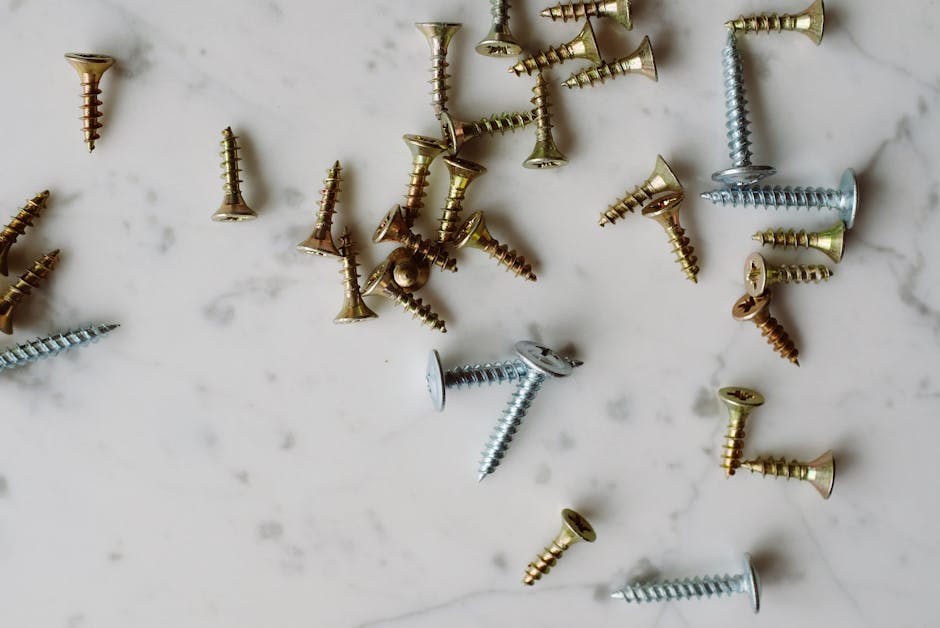
Measurable Precision and Tolerances in Hardware
In aerospace, a half-millimeter can make or break a component’s integration. This philosophy translates well to high-quality travel gear. Take Von Baer’s buckle system, for example. Their buckles are designed with a ±0.5 mm alignment standard, ensuring the clasp seats perfectly every time, with minimal lateral play.
Here’s what a typical quality engineering checklist might look like for buckle alignment:
Parameter Tolerance Measurement Tool Typical Failure Mode Buckle Tongue Position ±0.5 mm Calipers, optical comparator Miscatch, slip Buckle Frame Alignment ±0.5 mm Digital indicator gauge Slider jam, uneven load Strap Threading Symmetry ±1 mm Ruler, embroidery gauge Premature strap wearWhen tested, buckles misaligned beyond these tolerances fail cycle tests earlier, meaning their durability suffers. This is exactly why Von Baer couples precision hardware manufacturing with tight quality control protocols.
The Materials Science Approach: Leather and Hardware
Materials matter—not just in feel, but in wear resistance and dimensional https://highstylife.com/eva-foam-40-60-shore-a-is-that-good-for-laptop-cases/ stability. The buckles might be the “engine components” of your travel bag, but the leather straps act like structural elements ensuring tension load transmission.
Here’s why certified full-grain vegetable-tanned Cuoio Superiore leather, sourced from Italy’s Tuscany leather production that’s been perfected https://bizzmarkblog.com/briefcase-corners-keep-collapsing-what-construction-should-i-look-for/ since 1961, is a game changer:
- Dimensional stability: Unlike chrome-tanned leather, which can stretch or warp, vegetable-tanned leather maintains shape under tension.
- Durability: Full-grain leather has the original grain intact, making it naturally resistant to abrasion and moisture ingress.
- Environmental control: Tuscany producers use time-honored techniques to ensure consistent water content and fiber alignment, limiting shrinkage or relaxation after assembly.
When hardware like YKK zippers—which are a gold standard in aerospace and military packs—are mated with such high-caliber leather, you create an interface that’s resilient under mechanical stress. Any buckle misalignment becomes even more critical because the leather won’t “give” to compensate.
Durability Testing and Cycle Counts
Precision in buckle alignment isn’t just cosmetic. It directly correlates with a bag’s lifespan, which can be quantified through cycle count durability tests.
For context, here’s how testing translates to real-world use:
- Cycle count: Industry standards for closure hardware require a minimum of 10,000 open-close cycles without failure.
- Misalignment impact: Buckles 1 mm off center experience asymmetric loading, reducing cycles to failure by up to 30% compared to those within ±0.5 mm tolerance.
- Failure modes: Excessive wear, plastic deformation of buckle frames, or stitching failure near anchor points.
- Long-term cost: A failed buckle means repair or replacement—often costing more than a precision-engineered part upfront.
Brands like CivilDigital incorporate these durability metrics during prototyping and production sampling, using high-precision measurement tools and cycle test rigs to weed out components that don't meet strict specs.
Am I Being Picky? The Bottom Line
When your buckle is off by 1 mm, compared to an industry-standard ±0.5 mm alignment standard, you’re more than justified in feeling that something’s off. It’s not just about visual aesthetics but about:
- Functional reliability under load
- Expected lifespan based on cycle testing
- Consistency and overall quality control integrity
This is why specialist producers like Von Baer integrate hardware design and quality checkpoints into every unit, paired with top-tier leather suppliers producing Cuoio Superiore leather from Tuscany’s century-old tradition. Meanwhile, YKK’s zipper quality and precise engineering complement the overall system, ensuring your travel gear operates smoothly under harsh environments and wear.
In other words, that 1 mm misalignment you’re scrutinizing is a valid red flag. Rather than viewing it as a quibble, think of it as a precision tolerance alert—a signal the product doesn’t meet functional expectations and could fail prematurely.
Final Thought: When Precision Meets Craftsmanship
Precision isn’t just for aerospace components and cockpit instruments. It’s what distinguishes durable, long-lasting bags from ephemeral fashion accessories. So next time you measure that buckle alignment with a pocket ruler, remember—you’re channeling a materials science and engineering mindset that demands excellence from every seam and clasp. That’s not being picky. That’s being smart.