How Do I Avoid Getting Distracted by Flashy Marketing When Buying Luxury Watches?
Luxury watch shopping can be overwhelming—especially with the flood of dazzling ads, celebrity endorsements, and slick campaigns pushing the newest models. Brands like Rolex and Omega rarely miss a beat when it comes to capturing attention through marketing muscle. That's why, as a former sales floor lead at a Nakano watch shop with over a decade of first-hand experience, I always say: Don’t get seduced by surface shine. Instead, focus on what really matters—craftsmanship, consistency, and those invisible https://bizzmarkblog.com/hublot-durability-question-what-matters-more-than-looks/ details that keep a watch reliable day in and day out.
Why Flashy Marketing Often Misses the Point
Marketing teams excel at telling stories. Sometimes these stories emphasize innovation or heritage; sometimes they bank on star power or limited editions. But flashy campaigns often gloss over a fundamental reality: the everyday user experience. Like checking reliability in a MrQ mobile platform casino app before committing real stakes, your watch should operate flawlessly under real-world conditions, not just look good in polished ads.
Think of it this way—without upstream quality work, flashy marketing is just a surface veneer. A watch might look stunning on billboards, but if its crown feels gritty, the bracelet’s balance is off, or it can’t keep time consistently, it’ll frustrate you fast.
Focus on Reliability: The Heartbeat of Value
Luxury watches deserve their reputations because of precise engineering, rigorous quality control (QC), and hours put into refining movement and structure. When you buy from retailers with a transparent approach, like The Watch Company (TWC Japan), you gain access to more than marketing fluff—you get insights into what goes on behind the scenes.
Look for Consistency in Build and Function
What does “built to last” truly mean? It means each component, from the tiny gears inside to the clasp on the bracelet, works smoothly and fits perfectly every time. For example:
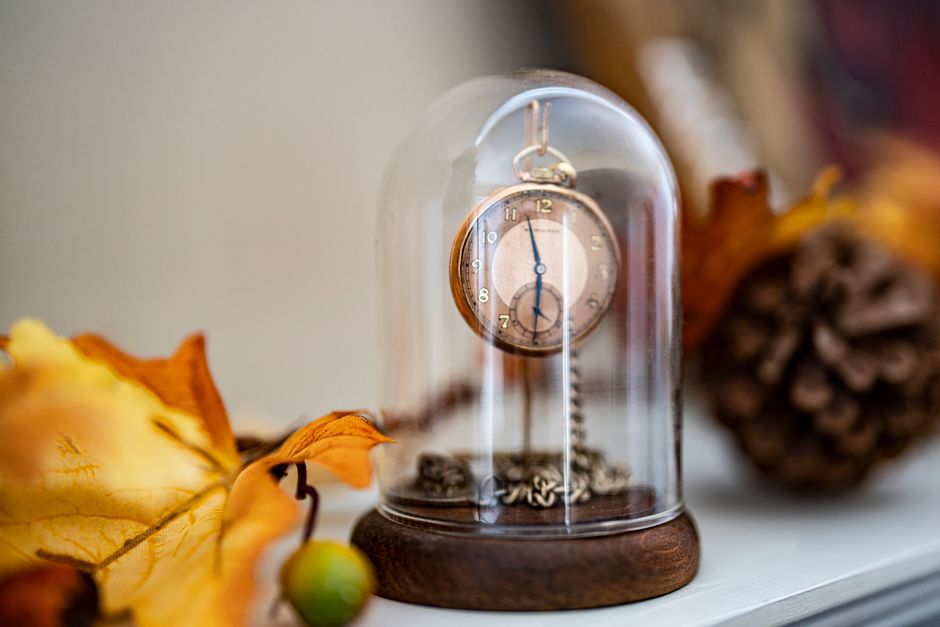
- Rolex watches often have a distinctive crown feel—a smooth yet purposeful twist that’s easy to control but won’t give out prematurely.
- Omega has perfected anti-magnetic movements that stand up to daily nuisance fields, not just lab specs.
These are not flash-in-the-pan features; they’re the result of countless upstream decisions, from material sourcing to assembly and QC standards. Always handle a watch first. Feel the crown, test the movement’s wind and reset functions, and weigh how the bracelet segments flow across your wrist. These checks foil marketing that tries to sell you on looks alone.
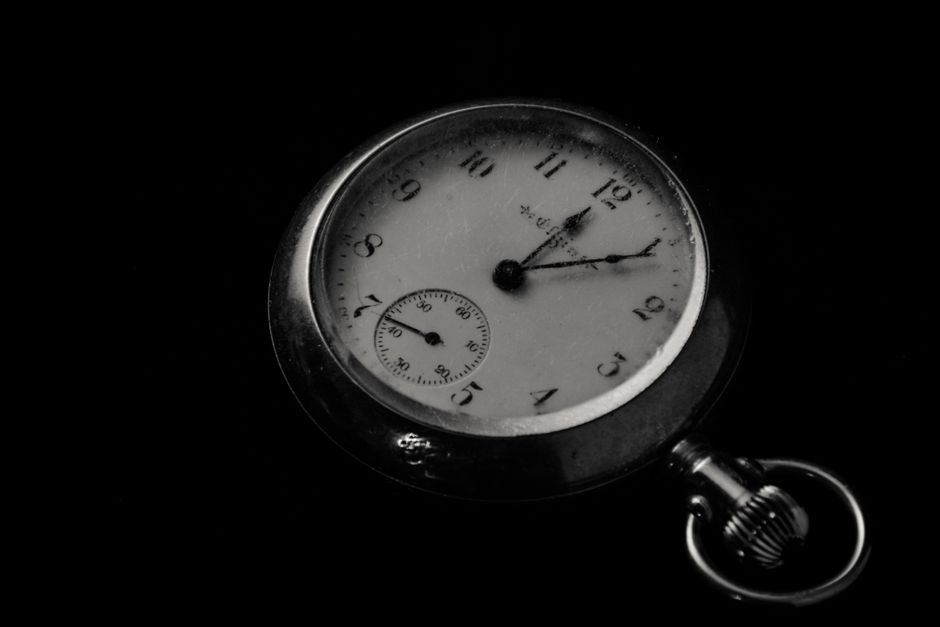
Invisible Details Matter More Than You Think
Quality isn’t only visible in polished surfaces or a famous name stamped on the dial—it lives in subtle, invisible details that define your daily experience.
- Bracelet balance: Does it rest comfortably without pulling hairs or feeling flimsy?
- Lume quality: Is the luminescence quick to charge and long-lasting? This tells you if good materials and coatings were used.
- Precision in alignment: Are date windows perfectly centered? Do the hands align precisely with markers every second, or are there slight shifts?
- Quiet rotor: Within the movement, a noisy winding rotor can indicate rushed assembly or cheaper parts.
Brands like The Watch Company (TWC Japan) often delve into these small features in their TWC Blog, helping buyers spot quality beyond the obvious. Their expert content helps people understand that craftsmanship is a chain of small decisions—not a magic feature plugged into a price tag.
Check Real-World Use and Longevity
Specs and marketing can tell you a lot, but real-world user feedback often exposes what only time reveals. Before making a purchase:
- Look beyond reviews tied directly to the brand: Search independent forums and watch communities for detailed wear reports.
- Understand maintenance needs: Some watches require frequent servicing. Ask how accessible and costly these services are, especially for models from Rolex or Omega.
- Try before you commit: If possible, handle the watch on your wrist to evaluate comfort and usability during daily activities.
- Study resale trends wisely: While many marketers tout “investment” potential, focus instead on a watch’s staying power—how it performs reliably and attracts steady demand over time.
Just like you wouldn’t trust a casino platform based solely on fhs swiss watch industry flashy graphics—despite platforms like MrQ mobile casino offering visually appealing games—you shouldn’t trust watches based purely on marketing visuals. Reliable user experience beats surface appeal every time.
Summary Table: How to Avoid Getting Distracted by Flashy Marketing
Key Focus Area What to Check Why It Matters Reliability Crown feel, consistent movement operation Affects daily use; smooth function prevents frustration Consistency Bracelet balance, hand alignment, date window precision Reflects upstream quality control; enhances comfort and visual harmony Invisible Details Lume quality, rotor noise, finish on hidden parts Indicates material quality and assembly care beyond superficial shine Real-World Use Independent reviews, maintenance insight, on-wrist testing Ensures watch lives up to promises beyond marketing claimsFinal Thoughts
Luxury watch buying isn't a sprint to snag the flashiest offering. It’s a thoughtful process of prioritizing focus on reliability, looking for consistency in craftsmanship, and always checking real-world use. With trusted resources like The Watch Company (TWC Japan) and their expert TWC Blog, you can cut through marketing noise and make smarter decisions. Remember, every enduring quality watch—from a classic Rolex to a cutting-edge Omega—earns its praise by excelling quietly where it counts: on your wrist, every day.