How Do I Know If an App Will Stay Reliable Over Time?
In our fast-paced digital world, choosing an app that remains reliable over time can feel like navigating a maze. Whether it’s a mobile casino platform like MrQ, a shopping app from a luxury retailer such as The Watch Company (TWC Japan), or niche utility tools, users need more than flashy features—they want consistency, stability, and long-term usability.
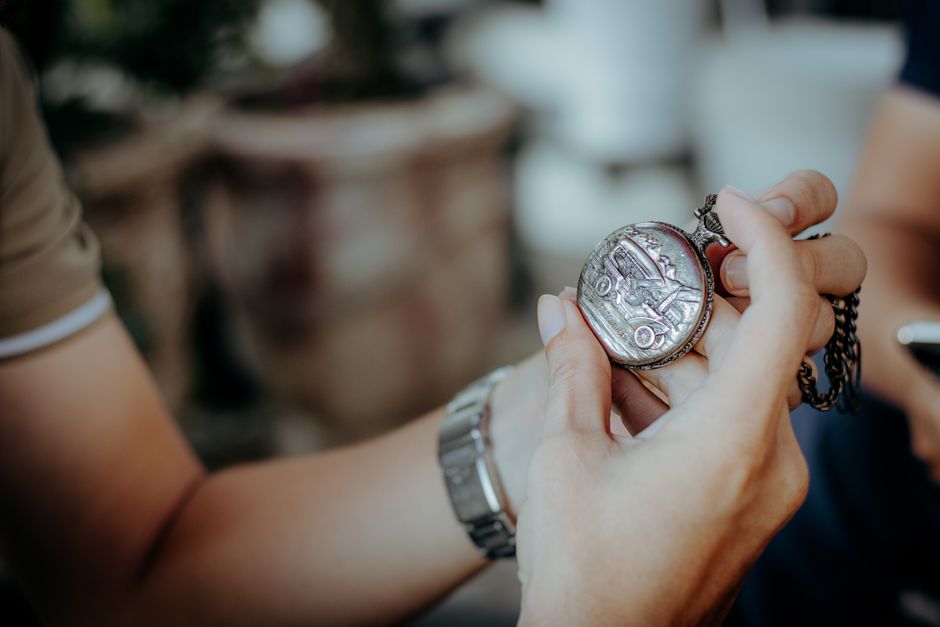
You wouldn’t buy a Rolex or Omega watch just because it looks good today. Instead, you’d feel the crown’s smooth turn, inspect the bracelet’s balance, and understand the craftsmanship behind it—because those details define durability and reliability over years, even decades. The same principles apply to apps.
Reliability Beyond Function: Craftsmanship in App Development
Like fine watchmaking, app reliability arises from a chain of deliberate decisions, not a single “magic” feature. A well-crafted app must display deep care at every stage, from user interface design thewatchcompany.com to backend code quality, just as the best watches balance case design with movement precision.
Invisible Details That Change User Experience
Some aspects of reliability are immediate and visible, such as an app’s smooth animations or quick response time. But often, the invisible details make the biggest difference over time. These include:
- Efficient memory management: Prevents the app from slowing or crashing after prolonged use.
- Thoughtful error handling: Ensures graceful recovery from unexpected issues without losing data or frustrating the user.
- Consistent UI behavior: Small layout or interaction changes don’t break user habits, preserving ease of use through updates.
These invisible qualities are similar to the nearly imperceptible adjustments a Rolex watchmaker makes to ensure the crown feels just right or an Omega bracelet fits flawlessly. You notice the quality most when it isn’t there.
Upstream Quality Work: From Design to Quality Control (QC)
Reliability starts long before you tap “Install.” It begins with the app’s design philosophy and extends through rigorous testing and continuous quality control.
Design Philosophy Focused on Longevity
Just as The Watch Company (TWC Japan) emphasizes timeless aesthetics combined with robust engineering, reputable app developers focus on building for the long haul. This means:
- Choosing stable technology platforms over trendy, experimental stacks prone to early obsolescence.
- Designing a scalable architecture, so the app can grow with user needs or new device capabilities without breaking.
- Prioritizing accessibility and usability for diverse user groups, ensuring consistent experiences across demographics.
Rigorous Quality Control Processes
Companies with a strong brand reputation, whether in luxury watches or digital products, enforce strict quality control at every stage:
- Automated testing: Immediate identification of bugs before release.
- Manual exploratory testing: Real-user simulations to catch edge cases automated tests might miss.
- Performance benchmarking: Validating app behavior on multiple devices and network conditions.
- Post-release monitoring: Using analytics and user feedback to discover and fix issues rapidly.
Luxury watch brands like Rolex monitor every piece before sale, and the same care ensures apps maintain bug stability and performance over time.
Consistent Updates, Bug Stability, and Cross-Device Performance
An app’s lifespan depends heavily on how well it is maintained after launch. We often see apps touting “built to last,” but without explaining what that means in practice.
Why Consistent Updates Matter
Regular updates don’t just bring new features—they fix bugs, improve security, and adapt to evolving devices. Consider the MrQ mobile platform, a mobile casino example renowned for steady, incremental updates that maintain smooth performance amid changing operating systems and hardware.
Consistent updates indicate a committed development team who:
- Act on user reports swiftly.
- Adapt to OS changes, avoiding sudden crashes.
- Optimize resource use, preventing slowdowns on both new and older devices.
Measuring Bug Stability
Bug stability isn’t about zero bugs at launch—that’s unrealistic. It’s about controlling the rate of new bugs introduced during updates and the speed of fix deployment. Reliable apps show a decline or stabilization in reported issues over time, not sudden spikes.
Performance Across Devices and User Environments
Legacy watches like Rolex and Omega are designed to perform consistently across decades, in different environments. Similarly, modern apps must be reliable across a broad range of devices:
- Multiple screen sizes and resolutions.
- Diverse OS versions and hardware capabilities.
- Varying network speeds and conditions.
The Watch Company (TWC Japan) offers multi-device web portals with comprehensive TWC Blog sections discussing how apps and digital platforms should adapt to these variations without compromising usability.
How Can You Check If an App Will Stay Reliable?
Before you commit time or data, ask these key questions:
Criterion What to Look For Why It Matters Update Frequency Recent updates, clear changelogs, active developer communication Shows ongoing support and adaptation to new bugs and OS changes User Reviews on Stability Consistent positive feedback on bug issues and app responsiveness Reflects real-world performance over time Performance on Your Device Try the app yourself, noting responsiveness and absence of crashes Ensures compatibility and smooth user experience for your setup Developer Reputation Check if they maintain other well-reviewed apps; review their support channels Reliable developers have the systems to sustain long-term app quality Transparency Do they share roadmaps or post detailed blog entries like TWC Blog or product updates? Commitment to users and openness about their process signals confidence in qualityConclusion
Determining whether an app will stay reliable over time involves more than checking specs or star ratings. It requires attention to the quality hidden beneath the surface—how the app was crafted, maintained, and supported across its lifecycle.

Much like choosing a Rolex or Omega watch through a trusted dealer like The Watch Company (TWC Japan), selecting an app means trusting a chain of small, careful decisions made by designers, developers, and quality control teams. Consistent updates, bug stability, and solid cross-device performance prove they are committed to keeping your experience smooth and dependable long after the download.
Next time you try a new app—whether it’s the MrQ mobile casino platform or another digital utility—look beyond the flashy interface. Appreciate the invisible details and upstream work that make reliability possible. That’s how you ensure lasting value and an experience worth returning to.