Is 950 Platinum Worth It for an Engagement Ring?
“Worth it” depends on what you want your engagement ring to do: feel substantial, hold a stone securely, suit your skin, or stay within a particular budget. 950 platinum can be an excellent choice, but it isn’t automatically the best one—and a higher price tag doesn’t make a ring more romantic.
In most 950 platinum jewelry, the number means the metal is 95% platinum, with the remaining 5% made up of other metals. The exact alloy varies by maker. Platinum’s weight, naturally pale color, and long history in fine jewelry appeal to many couples, especially those drawn to modern settings and understated silhouettes. But gold has its own strengths, and the right choice is the one that feels good on your hand and makes sense for your priorities.
Here’s a practical look at 950 platinum, including its durability, care needs, cost, and the design choices that can make a ring feel personal rather than dictated by tradition.

What Does 950 Platinum Mean?
The “950” refers to the proportion of platinum in the alloy: 950 parts platinum out of 1,000. The balance is another metal or combination of metals, selected to give the ring workable properties. Ask the jeweler what alloy they use and whether they can tell you what makes up that remaining 5%. A thoughtful maker should be able to explain the metal without making you feel as though you need a chemistry degree.
Platinum’s natural color is a cool, silvery white. Unlike white gold, it doesn’t rely on a rhodium coating to create its white appearance. Over time, a platinum ring can develop a soft, matte-looking surface called patina. Some people love that lived-in finish; others prefer the bright look of a freshly polished ring. Either way, it’s useful to know what the metal actually does before choosing it.
Platinum vs Gold: The Everyday Differences
When comparing platinum vs gold, there isn’t one winner for every wearer. Think about color, feel, maintenance, and price—not just what the ring looks like in a product photo. White gold, yellow gold, and rose gold each have different visual and practical qualities.
Consideration 950 Platinum Gold Color Naturally cool, silvery white Available in yellow, rose, and white; white gold may be rhodium plated Feel Dense and often noticeably weighty Usually lighter at a similar ring size and design Surface changes Can scratch and develop a soft patina; metal is generally displaced rather than worn away Can scratch and wear; white gold’s rhodium finish may need renewal Price Often costs more, though the final price depends on design and the market Can offer more price options depending on karat, weight, and design Care May need cleaning and occasional professional polishing May need cleaning; white gold may also need replating over timeWhite gold is gold alloyed with other metals to create a pale color. Many white gold rings are finished with rhodium, a bright white coating that can wear down with regular use. Replating is a routine service, not a sign that the ring is faulty, but it is a cost and appointment you may want to factor in. Platinum’s color doesn’t depend on that coating, though its surface can still change with daily wear.
How Durable Are Platinum Rings?
Durability of platinum rings is one of the most common reasons people consider them. Platinum is dense and well suited to fine jewelry, but “durable” doesn’t mean scratch-proof or maintenance-free. A ring worn every day will pick up marks. A delicate setting can also be vulnerable regardless of the metal, particularly if it has fine prongs or a stone that sits high above the finger.
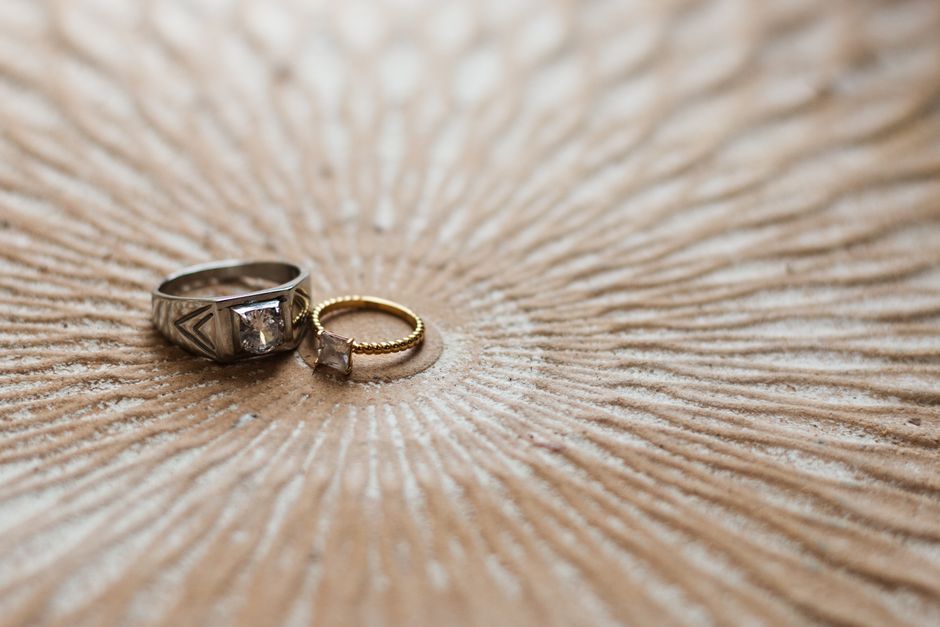
One difference is how platinum tends to respond to scratches. Some of the metal can move across the surface rather than being removed, which contributes to the patina. Gold can lose small amounts of metal as it wears. That distinction may matter over many years, but it doesn’t mean a platinum ring can never need repair, retipping, or polishing. The condition of the setting depends on its design, how it’s worn, and the care it receives.
Ask a jeweler how the center stone is held, what parts of the setting are most exposed, and how often they recommend professional checks. If you work with your hands, play sports, or regularly pull on chunky knits, mention that. I keep a running list of settings that catch on sweaters for a reason: a beautiful ring is less fun when it snags every time you get dressed.
Check the Comfort, Not Just the Metal
Try the ring on if you can, and pay attention to how the band feels between your fingers. A broad band may feel more substantial, while a narrow band can feel lighter—but the profile and fit matter just as much. Ask about comfort-fit edges, band width, and whether the ring will sit flush with a future wedding band. These details can have more impact on daily happiness than a headline metal choice.
When 950 Platinum May Be Worth the Price
950 platinum may be worth the extra cost if you love its cool color, want a dense and substantial feel, and prefer not to maintain a rhodium finish. It can also be a sensible choice if you value the way platinum wears and are comfortable with its patina or occasional professional care. For someone who wants a ring that feels solid without looking ornate, platinum can be a lovely foundation.
It may be less appealing if you’d rather put more of your budget toward the center stone, a custom setting, or another shared priority. A gold ring can be an excellent engagement ring; choosing it doesn’t mean settling. Compare complete quotes for the same design and ask what’s included, such as resizing, cleaning, or future maintenance. Budget conversations don’t ruin romance. They help make sure the ring fits your real life as well as your Pinterest board.
As you browse, use Pinterest boards for ring inspiration, but treat them as a visual notebook rather than a shopping list. Save examples of band shapes, stone colors, settings, and details you like. Then note what you don’t like—too tall, too delicate, too much sparkle, or likely to snag. A jeweler can use that information to help you turn a collection of images into a ring that works on your hand.
Breaking Engagement Ring Traditions
There’s no rule that says an engagement ring must have a clear diamond, a slim band, or a certain metal. Couples are choosing designs that reflect their taste, their values, and the way they actually live. A sculptural solitaire, an asymmetrical cluster, a low-profile bezel, or a ring without a traditional center stone can all feel unmistakably engagement-worthy.
Modern settings and silhouettes can be both expressive and bespoke-bride.com practical. A bezel wraps metal around the stone’s edge and may be a useful option for someone who wants a lower-profile design. A flush or low-set stone can reduce the chance of catching, while an open, airy setting can make a ring feel light and architectural. Every design involves trade-offs, so ask how a setting affects cleaning, stone security, and the ability to pair it with a wedding band.
Brands and studios offer different ways to explore those choices. Bespoke Bride is a helpful place to look for wedding ideas and inspiration, while Lily Arkwright offers a range of engagement-ring styles for browsing. Modern Gents is another name shoppers may encounter when comparing more accessible ring options. Check each company’s current materials, policies, and sourcing information directly before buying; don’t assume that a polished product page answers questions about metal alloys, stone origins, or repair services.
Colored Gemstones as Storytelling
A colored gemstone can make a ring feel personal without needing a long explanation. A sapphire might connect to a favorite color, an heirloom, or a place that matters to you. A green stone could recall a shared garden, while a warm-toned gem might echo a piece of family jewelry. The meaning belongs to the wearer; it doesn’t need to follow a traditional symbolism chart.
Some gemstones are better suited to everyday wear than others, and a stone’s toughness depends on more than its hardness. Ask the jeweler about the specific gem’s care needs, how it handles impact, and whether its color or treatment is stable. The setting matters too: a protective bezel or a design that keeps the stone away from hard knocks may be worth considering. With a colored gemstone, the ring’s personality and its practical care plan should be designed together.
Bespoke Design: Make the Ring Yours
Customizing a ring doesn’t have to mean designing every detail from scratch. You might start with a simple setting and adjust the band width, choose a different stone shape, add a hidden detail, or combine references from several Pinterest boards. The goal is not to create a design that looks expensive in a photograph. It’s to create one you’ll enjoy wearing.
- Set a comfortable budget. Decide what you can spend before falling in love with a specification that stretches it.
- Describe your daily routine. Mention work, hobbies, travel, and whether you often remove jewelry.
- Choose your priorities. Rank metal, stone, setting, and customization so the jeweler knows where flexibility matters.
- Ask clear sourcing questions. Find out what the metal alloy is, where stones come from, and what documentation is available.
- Try the ring on if possible. Check comfort, height, balance, and how it sits beside a wedding band.
Ethical sourcing can be part of the conversation, not an awkward extra. Ask where the platinum and gemstones come from, what the maker can verify, and whether recycled metal or traceable stones are available. If a brand gives vague answers, keep asking—or keep looking. A responsible seller should be willing to explain what they know and be honest about what they can’t confirm.
So, Is 950 Platinum Worth It?
950 platinum is worth considering if you want a naturally white metal with a substantial feel, and you’re comfortable with a higher upfront price and a surface that develops character over time. Its durability is a genuine advantage for many daily-wear rings, but it doesn’t remove the need for thoughtful design, routine checks, or care.
Gold may be the better fit if you prefer its color, want a lighter ring, or would rather direct more of your budget elsewhere. Compare platinum vs gold by trying on actual bands, asking about maintenance, and imagining the ring in your everyday routine—not just on proposal day.
And if you’re already planning wedding details, you can keep them just as personal. Use your ring inspiration board to collect ideas, and a Google Sheet for RSVPs to keep invitation responses organized. The ring, the invitations, and the celebration don’t have to follow anyone else’s template. They just need to feel like yours.