My Day Feels Like One Uninterrupted Block—How Do I Fix That?
If you’re reading this, you might be feeling what many of us in modern work culture do: your day stretches endlessly, a single, uninterrupted block of time that blurs meetings, emails, and tasks into one long slog. You glance at your laptop or get a phone notification, and suddenly it’s another hour gone. The Health and Safety Executive (HSE) has long emphasized the importance of structured breaks to maintain wellbeing and productivity — yet breaking that inertia feels impossible.
I’ve been there. As a former office manager turned workplace-wellbeing writer, spending over a decade coaching teams, I understand how to fit realistic routines between meetings that respect both your workload and your mental health. Today, I’ll share how to protect breaks, establish a meaningful lunch boundary, and reset rhythm within your workday, even when it feels like every minute is "all hands on deck." Plus, I'll sprinkle in some trusty tools and ideas from companies like MRQ and ChuckleS Life that can make your breaks more intentional and fun.
Why Does My Day Feel Like One Huge Block?
When we don’t intentionally break up our day, it often feels like being trapped inside a marathon with no water stations. Here's why:
- Continuous screen time: Hours logged in on your laptop and phone create physical and mental fatigue.
- Notifications blur boundaries: Phone and email interruptions make it tough to focus on one thing or step away.
- Missing clear task transitions: Without natural stopping points, the day merges together.
- Lack of visible cues for breaks: No obvious triggers mean you push through without resting.
The rise of remote work and digital tools makes it easier than ever to slide into this cycle. But the good news is, with a few adjustments, you can regain control over your time and energy.
The Science and Safety of Breaks: Insights from HSE
The Health https://bizzmarkblog.com/my-inbox-stresses-me-out-should-i-avoid-email-on-breaks/ and Safety Executive (HSE) highlights that regular breaks are essential to reduce strain, prevent injuries related to posture, and improve mental focus. While HSE primarily oversees workplace safety in the UK, their guidance on screen time and rest is applicable globally:
- Micro-breaks: Short pauses every 30 minutes can reduce eye strain.
- Posture changes: Breaks encourage movement, reducing musculoskeletal issues.
- Regular longer breaks: At least one lunch break away from the workstation is vital.
If you’re worried your day feels like one endless block, you’re right to prioritize breaking it up not just for comfort but for your health.

Step 1: Define Your Break Purpose Before Starting Your Activity
Before you sit down or open tabs, ask yourself: What is the purpose of my break? What do I want to feel afterward? This mindset shift turns breaks into intentional recovery windows rather than just missed work time.
- Do you need to reset from screen fatigue? Close the laptop, look away from your phone, and gaze out a window for a moment.
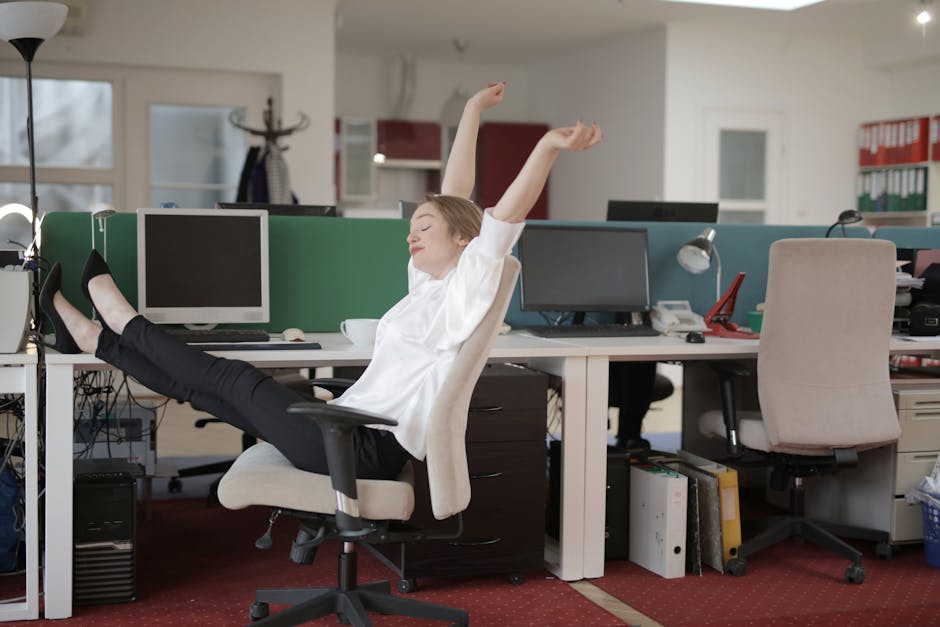
- Is your backbone stiff from sitting too long? Stand, stretch, or walk around.
- Are your eyes tired or dry? Follow the 20-20-20 rule: every 20 minutes, look at something 20 feet away for 20 seconds.
- Feeling mentally drained? Use micro-breaks to breathe deeply or practice a quick mindfulness technique.
You could keep a tiny ‘break menu’ note taped near your monitor, like I do, listing these options to help you consciously pick a break activity aligned with your needs.
Step 2: Use Micro-Breaks with Clear Endings
Micro-breaks are your secret weapon to interrupt the “one block” feeling. But the key is they must have a clear ending so you don’t slip back into work prematurely.
Set a timer (I’m not kidding—yes, even for 5 minutes!). MRQ’s insights on routine building affirm that timers help you create healthy boundaries and rituals around rest. When your timer goes off, that signals the endpoint https://highstylife.com/is-switching-from-laptop-to-phone-still-a-real-break/ and a light mental reset before resuming work.
- Example micro-break activities:
- Stand and do simple stretches.
- Walk to a window and look out at greenery.
- Do shoulder rolls and neck stretches.
- Breathe deeply for a few minutes away from screens.
Resist the urge to check your phone or email during this time — which often derails your break into unintended doomscrolling. (And yes, calling doomscrolling a “break” is my pet peeve.)
Step 3: Protect Your Lunch Boundary
The lunch break is your built-in checkpoint. Don’t let it become an extension of work or social media catch-up. As ChuckleS Life advocates—injecting a bit of humor and play into downtime fosters genuine mental refreshment.
To protect this boundary:
- Physically move away from your desk or workstation.
- Turn off non-essential notifications on laptop and phone.
- Choose an activity that genuinely separates you from work mode—whether that's a quick walk, reading a light book, or laughing at a short video on ChuckleS Life.
- Set a timer for your lunch break to ensure you don’t rush through it or skip it entirely.
This helps your brain mark a clear “off switch” from work, boosting afternoon alertness and preventing burnout.
Step 4: Reset Rhythm With Intentional Boundaries
Finally, aim to build intentional rhythm resets throughout your day. This means scheduling times where you explicitly step away from work stimuli and and screens. You might have:
- Morning prep time without phone notifications.
- Mid-morning micro break (stretch + hydration).
- Lunch boundary as described above.
- Mid-afternoon screen break to combat fatigue.
- Closing routine at the end of the day to wrap work mentally and physically.
Consistency builds these rhythms into habits, making your day feel segmented and manageable instead of one nonstop block.
Quick Reference Table: Break Types and Benefits
Break Type Duration Main Purpose Suggested Activity Tools or Tips Micro-break 1-5 minutes Reset posture and eye strain Stretch, look outside, breathe deeply 5-minute timer; break menu note Screen break 5-15 minutes Reduce screen fatigue Walk around, hydrate, non-screen activity Phone notifications off; timer Lunch break 20-60 minutes Mental and physical reset Eat away from laptop, light reading or humor Protect boundary; ChuckleS Life for light breaksBonus Tips: Avoid Break Saboteurs
- Don’t open email or work chat during breaks. This kills the mental reset.
- Ignore “just one more email” temptation. That phrase is a slippery slope from break to back-at-desk.
- Ignore tips that require expensive gadgets. Realistic routines are about habits, not gear.
- Look out a window before opening any social feed. It resets your eyes and mind better than scrolling first thing.
Wrapping It Up
Your workday doesn’t have to feel like an endless block of time. By defining break purpose, taking micro-breaks with clear endings, protecting your lunch boundary, and resetting your daily rhythm consciously, you create a flow that supports wellbeing and productivity. Use simple tools like timers and notes, take cues from workplace safety experts at HSE, and sprinkle some light-heartedness from places like ChuckleS Life to make breaks enjoyable—not a chore.
Remember, breaking your day into manageable chunks is not just about getting more done; it’s about protecting your health and sanity while you work. You deserve breaks that refresh and recharge, not extensions of stress.
Now, set that five-minute timer and look out the window — your well-deserved reset rhythm starts here.