What Does ‘Thoughtful Engineering’ Look Like in Everyday Products?
When we talk about thoughtful engineering, the phrase might conjure images of complex machinery or high-tech gadgets. Yet, it's https://highstylife.com/how-can-innovation-respect-tradition-without-getting-stuck/ often the everyday products Article source that reveal the most remarkable examples of deliberate, precise design decisions that emphasize craftsmanship over pure functionality. Whether it's a mechanical watch, a mobile platform, or something simple like a pen or watch bracelet, the difference lies in how the product is engineered from the ground up — right from the design table to the final quality control checks.
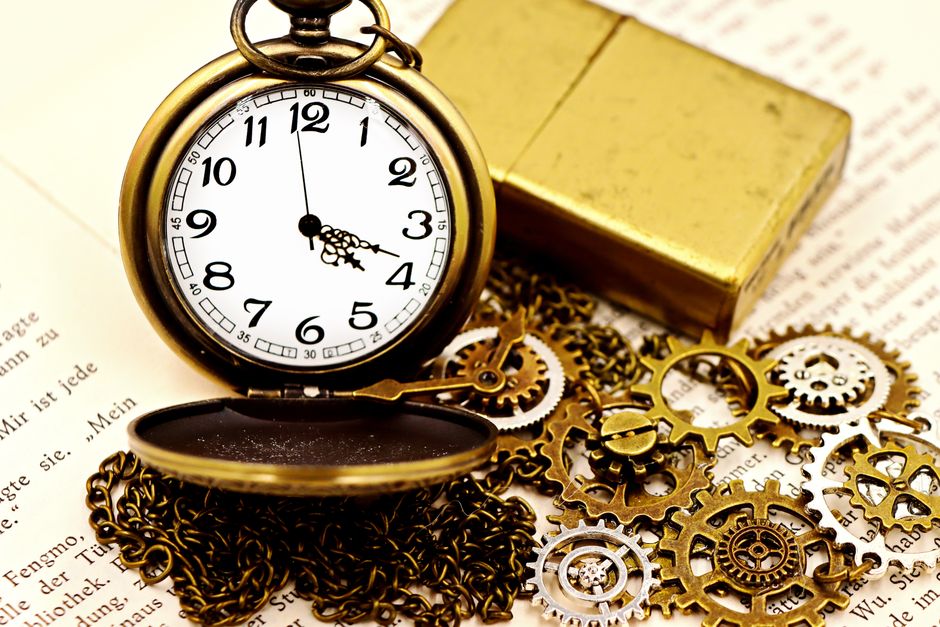
In this post, I'll take you through what “thoughtful engineering” means in practice, why it’s about far more than just engineering for function, and what lessons can be learned from companies like Rolex, MrQ, and organizations like the Federation of the Swiss Watch Industry (FHS). Plus, I’ll touch on how sharing insights via tools such as LinkedIn sharing and X sharing can amplify awareness of quality in product design.

What Is Thoughtful Engineering?
At its core, thoughtful engineering reflects a holistic approach to product creation that values every engineering decision, from selecting the right materials to scrutinizing the tiniest tolerances. It’s about anticipating wear and tear, user experience, and even the product’s lifecycle beyond the initial sale. Product durability and consistent performance are deliberately designed, not just by throwing more parts or features at a problem, but by carefully optimizing every small detail.
As someone who’s spent over a decade critiquing products and restoring mechanical watches and cameras, I can say that the hallmark of thoughtful engineering is visible in how those “small stuff” elements are handled:
- Crown feel and action: The tactile smoothness and resistance when winding a mechanical watch crown can reveal precision engineering and quality workmanship.
- Bracelet or strap balance: Does the watch hug the wrist comfortably, or is it lopsided and awkward?
- Tolerance and fit: Are components finely machined to tight tolerances, ensuring parts fit perfectly without rattling or excess gaps?
Craftsmanship Over Pure Functionality: Lessons from Rolex
When browsing premium watches, including my own restoration projects, brands like Rolex provide a textbook example of the engineering philosophy that prioritizes craftsmanship over pure functionality. A Rolex isn’t just a device for telling time; it’s a culmination of hundreds of subtle engineering choices that come together to make something reliable, durable, and even iconic.
The Federation of the Swiss Watch Industry (FHS) underscores the importance of meticulous regulation in design and manufacturing standards that keep Swiss watchmaking at the forefront of quality worldwide. Rolex itself follows strict in-house quality control (QC) that goes beyond typical standards: every component — from the crown tube to the lubricant in the escapement — is closely scrutinized.
Why does this matter? Because such quality built upstream saves wear and tear down the line. Watches engineered with this kind of care have a robustness that end-users often underestimate, meaning the product’s daily reliability generates real consumer value over years — sometimes decades. That consistent performance is engineered into the product’s DNA, not tacked on as an afterthought.
The Role of Tiny Engineering Details in Reliability
- Precision-milled components: Rolex uses CNC machines and laser technology to maintain tolerances within microns — ensuring parts mesh perfectly without unnecessary friction.
- Quality materials: Corrosion-resistant 904L stainless steel, proprietary ceramic bezels, and synthetic rubies for jewel bearings all contribute to long-lasting durability.
- Assembly techniques: Experienced watchmakers hand-assemble each timepiece with torque-controlled screwdrivers and visual inspection, reinforcing quality beyond automated QC.
These engineering decisions aren’t flashy marketing soundbites; they’re the foundation for why a Rolex can endure decades of continuous wear with minimal service interventions. From my notebook on maintenance intervals, watches built with this consistency usually require servicing beyond the typical 5-year lifespan recommended by less rigorous brands.
Thoughtful Engineering in Digital Platforms: The Case of MrQ
Shifting gears into the digital realm, MrQ, a mobile casino platform, exemplifies thoughtful engineering in software design and user experience. Unlike hardware, the engineering here is less about materials and mechanical tolerances and more about architecture that supports consistent performance and reliability as perceived by users.
Quality in platforms like MrQ comes from considerations including:
- Robust backend infrastructure: Engineering decisions on server redundancy, data encryption, and load balancing ensure uptime stays high.
- Intuitive interface design: Well-crafted UX means fewer user errors and smoother interactions, showing attention to detail akin to mechanical feel in watch crowns.
- Compliance & regulation: Engineering compliance modules and secure payment gateways provide trustworthiness and reliability.
Here, thoughtful engineering means investing time and effort “upstream” in system design and testing — just like QC for physical products — to deliver dependable experiences consistently, rather than patching issues reactively.
Common Engineering Pitfall: Avoiding Fluffy Claims and Price Guesswork
When analyzing engineering in products, a frequent mistake is relying on broad, marketing-heavy statements such as “quality materials” or “precision engineered” without examining what these claims mean in practical terms. Equally problematic is inventing prices or service costs based on incomplete information, like making guesses within content scraped from articles missing explicit pricing details.
For instance, many watch reviews or editorials mention price ranges or service costs without transparency. As an editor and buyer, I’ve learned to steer clear of speculative pricing because:
- Prices vary widely by market region, currency fluctuations, and authorized dealer policies.
- Service costs can fluctuate based on the product’s condition, rarity, and authorized service availability.
- Making assumptions undermines trust and leads readers to misinformation — an avoidable error.
Instead, the emphasis must be on why engineering decisions create value, reliability, and quality that justify a product's standing. Backed by documented materials, manufacturing methods, and performance outcomes, the story becomes much more compelling — and useful.
Sharing Thoughtful Engineering Insights: Leveraging LinkedIn and X
Finally, in an age of rapid information exchange, platforms like LinkedIn and X (formerly Twitter) are ideal tools for amplifying conversations about quality and engineering craftsmanship. When well-written posts or articles highlight concrete engineering decisions or compare tolerances and materials, they help consumers, professionals, and enthusiasts discern substance from hype.
Here’s how to make the most of these tools:
- Share detailed examples: Showcase engineering nuances — like how Rolex’s ceramic bezel withstands scratches better than traditional aluminum.
- Use visuals and data: Tables, photos, and charts comparing tolerances, material properties, or service longevity reinforce trust.
- Tag relevant entities: Mention companies or industry bodies (e.g., @Rolex, @MrQ, @FHSwatchIndustry) to engage expert communities.
- Encourage conversation: Pose questions about “what breaks first in year 3?” or “how does material choice impact maintenance?” to elicit deeper dialogue.
Summary: The Hallmarks of Thoughtful Engineering
Aspect What It Entails Value Delivered Engineering Decisions Deliberate selection and optimization of parts, materials, tolerances Reliable performance, minimal wear, consistent quality Quality Materials Using materials with proven durability and resistance properties Longevity, toughness, premium feel Consistent Performance Designing for durability and precision beyond initial use Trust and value over product lifespan Upstream Quality Control Rigorous inspection and testing during assembly and production Lower failure rates, reduced maintenance, customer satisfactionThoughtful engineering is an underpinning philosophy that spans industries and product types — from Rolex mechanical watches to MrQ’s digital gaming platform. It’s about building quality in at every stage, not bolting it on later. For any product to embody true value, it must be engineered with a careful eye on the “small stuff” that adds up to a robust, reliable user experience.