What Is a Chronometer Certificate and Does It Matter for Rolex Value?
In the world of Rolex collecting and resale, the topic of documentation often causes confusion and anxiety among sellers and buyers alike. Among these, the chronometer certificate is one piece that frequently pops up—but what exactly is it, and how much does it actually influence a Rolex’s market value? In this deep dive, we'll clarify what a chronometer certificate is, unravel the myths surrounding “full sets,” and highlight the true documentation that impacts resale value. Along the way, we'll introduce key tools like serial number cross-referencing and production window checks that can protect you from common pitfalls.
Understanding the Chronometer Certificate
A chronometer certificate is an official document issued by a testing authority, most famously the Contrôle Officiel Suisse des Chronomètres ( C.O.S.C.). This certificate verifies that the watch’s movement has passed a series of precision tests under controlled conditions, qualifying it as a Certified Chronometer.
Many Rolex watches, especially modern models, come with movements that have been tested and awarded this certification. The certificate itself details the movement's performance in various positions and temperatures, demonstrating accuracy well within strict tolerance levels.
Is the Chronometer Certificate the same as the Rolex Warranty Card?
No. The chronometer certificate is a test document for the movement’s precision, while the Rolex warranty card (or, in older models, a paper warranty) serves as proof of authenticity, date of purchase, and coverage under Rolex’s warranty at the time of sale.
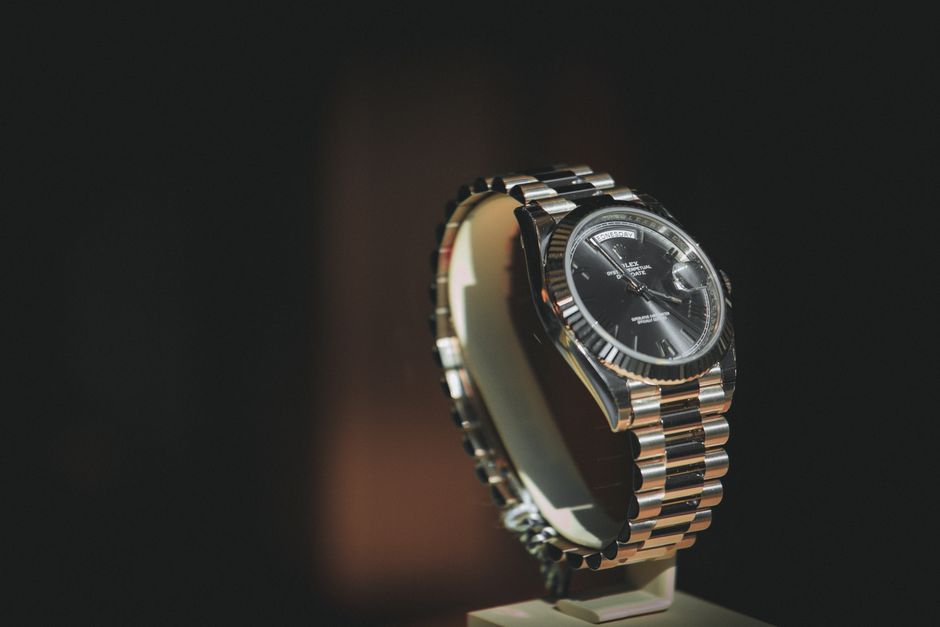
Modern Rolex watches no longer include a separate chronometer certificate — the chronometer status is printed directly on the dial with inscriptions like "Superlative Chronometer Officially Certified." Thus, the physical certificate itself is more commonly found with vintage or older Rolex models, and its presence is rare and less significant with new models.
Rolex Documentation: What Really Drives Value
When discussing Rolex documentation and their impact on resale value, myths often cloud the market. Let’s separate fact from fiction.
“Full Set” and Its Problems as a Pricing Indicator
The term “full set” is thrown around frequently but has no official or consistent definition. A “full set” often implies that the watch comes with every piece of original packaging, booklets, warranty card, and any included accessories sold by Rolex. But here’s the catch: not all “full sets” are created equal, and many times sellers obsess over having the original box while overlooking more critical documentation.
msn.comWhat actually moves the needle on price is the presence and authenticity of the warranty card/papers, not the box or booklets alone.
- The box has a limited impact on price and is often overpriced in sellers’ minds.
- Missing or unmatched warranty cards can severely reduce buyer confidence and price.
- Receipts, service records, and provenance documents are valuable but secondary proof points.
The Warranty Card: The Real MVP
The warranty card holds supreme importance in verifying authenticity, purchase date, and ownership history. Here’s why:
- Serial Number Cross-Reference: The serial number on the watch case should exactly match the one on the warranty card. Mismatches raise red flags for collectors and professionals alike.
- Date Consistency Check: The card’s purchase date should fall within the known production window of that model/reference.
- Dealer Information: Authorized retailer info on the card substantiates a legitimate purchase channel, which adds credibility.
These verification steps are critical tools that a savvy seller or buyer should employ. They provide solid proof that the watch is authentic, untampered, and traceable—factors that directly influence resale value.
Tools to Verify Documentation Authenticity and Date Consistency
Ensuring a Rolex watch is genuine and correctly dated can be done through a couple of key methods. These are indispensable for both first-time sellers and buyers who want to avoid pitfalls.
1. Serial Number Cross-Reference
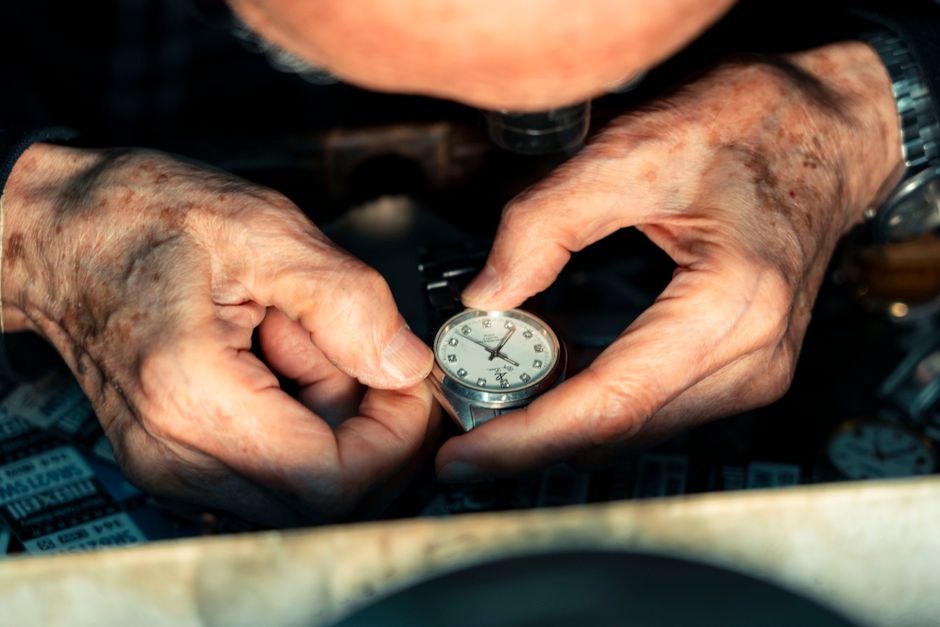
The serial number engraved on the Rolex watch case is a unique identifier. It must match the serial number on the warranty card or papers.
- If the numbers do not align, it suggests swapped or counterfeit paperwork.
- Sellers often overlook this, but buyers should verify before purchasing.
This cross-reference is simple to perform but invaluable in detecting inconsistencies.
2. Date Consistency Against Reference Production Window
Every Rolex reference has a specific production period documented in collector and industry databases. The purchase date on the warranty card or receipt should align with the model’s known production window. For example:
Reference Production Years Acceptable Purchase Dates Rolex Submariner 16610 1989 - 2010 1989 - 2010 Rolex Sea-Dweller 126600 2017 - Present 2017 - PresentIf a warranty card shows a purchase date before the start of production for that reference, it’s a glaring issue that calls authenticity into question. Checking these reference dates is easy with online databases and watch forums.
Receipts, Service Records, and Their Place in the Puzzle
Though they don’t carry the same weight as warranty cards, receipts from authorized dealers and factory service records contribute valuable background information:
- They document the watch’s ownership trail.
- Provide evidence of care and maintenance, potentially extending longevity.
- Can justify higher sale prices when paired with complete warranty cards.
A watch well-documented with service records typically sells easier and sometimes at a premium, especially for vintage models where proper servicing is vital.
Box Value Often Overstated—Don’t Let It Distract You
It’s a common seller mistake to obsess over having the original Rolex box, thinking it’s a price game-changer. In reality:
- Buyers much prefer a warranty card over a box.
- Boxes vary widely and can be easily sourced aftermarket.
- Box condition or missing inner trays rarely affects resale prices as much as authenticity papers do.
Don’t fall for the myth that a pristine box equals a “full set” that will skyrocket resale value by thousands of dollars. Confirming legit papers is your top priority.
Summary: Does the Chronometer Certificate Affect Rolex Value?
Document Primary Value Driver? Comments Chronometer Certificate No (for modern models) Mostly obsolete in recent Rolex purchases; movement certification is dial-marked. Warranty Card/Papers Yes Critical for authenticity, date proof, and primary value driver. Box Minimal Nice to have but price impact is overestimated. Receipts/Service Records Secondary Add confidence and justify premiums in some markets.Final Thoughts for Sellers and Buyers
When it comes to maximizing Rolex resale value, your focus should be on authentic, matching warranty cards and their purchase dates that align with the model’s production years. Tools like serial number cross-referencing and date consistency checks are your best defense against rookie mistakes and undervaluation.
While the chronometer certificate once added an extra seal of testing approval, its significance has dwindled as Rolex incorporated the certification into the dial for new watches. Boxes and booklets look nice but do not pay the bills; warranty cards do.
So, the next time someone brags about their “full set” loaded with boxes and old chronometer certificates, ask yourself: “What would a buyer actually pay for this?” The answer lies in verified Rolex documentation, not outdated paperwork or fancy packaging.